







↗ Email↗ WhatsApp↗ Ganes Academy↗ TRAYNA_↘ Speakers↘ Privacy
Book a ticketTickets ↗
Science talks_ Years 12 and 13_

STEM Talks for A‑Level Students

Science talks from people doing the work, pitched at A-level.TLR0001 / Thu 10 Dec 2026 / 18:30Roberts Building, UCL, London, WC1E 7JE

01_ The format

People working in medicine, science and engineering talk about what they actually do, pitched at A‑level, and take your questions.

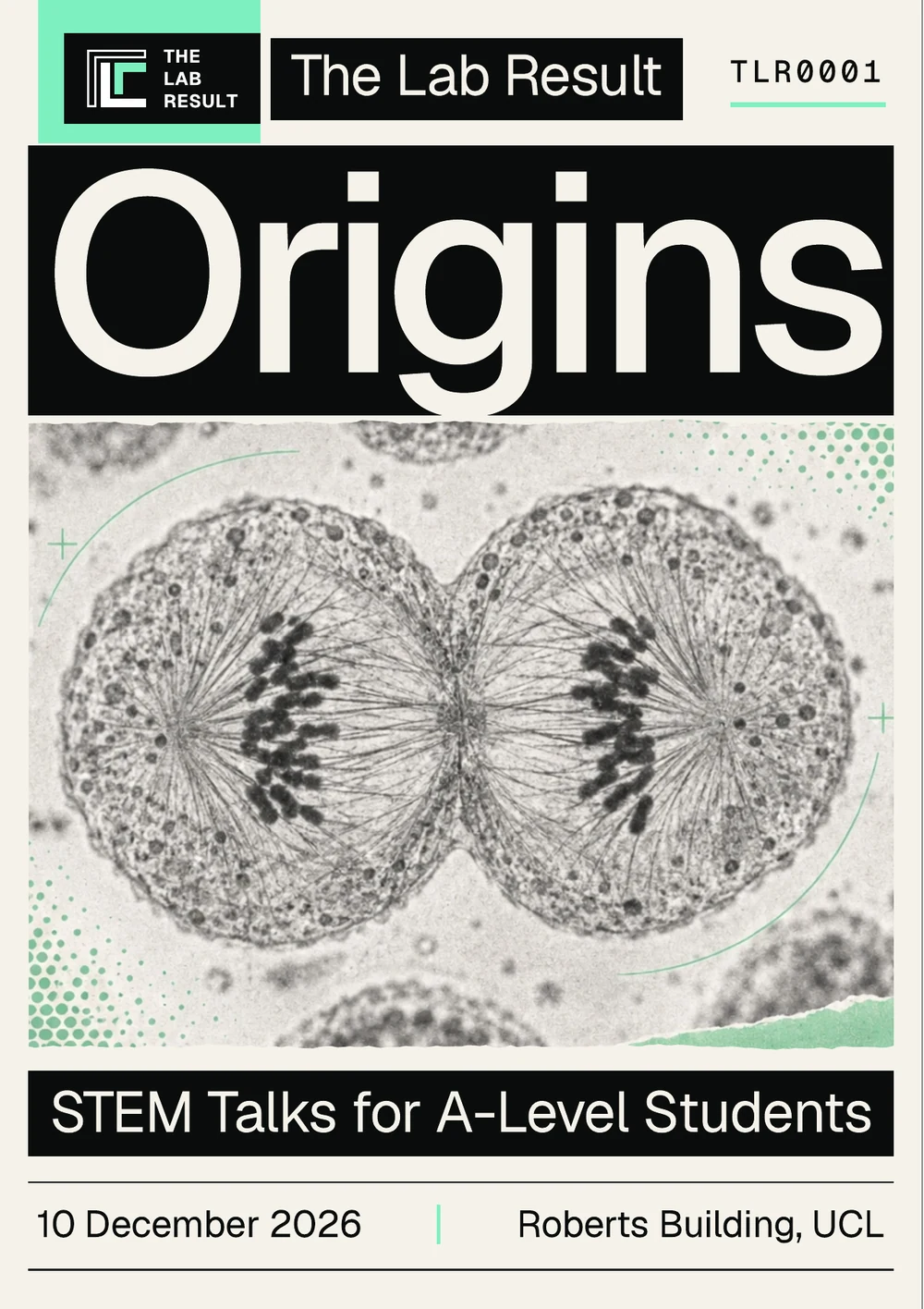
The cover of the TLR0001 Lab Report: The Lab Result, TLR0001, Origins in a black band over an illustration of a cell dividing in two, with mint halftone and a torn mint strip, STEM Talks for A-Level Students, 10 December 2026, Roberts Building, UCL
Fig. 02TLR0001The TLR0001 Lab Report, its coverCover picture: an illustration of a cell dividing, not a micrograph
03
Speakers
20
Minutes per talk
02
Questions from the audience per talk
03
Written summaries, with references
02_ Your application

From a science talk to your Personal Statement

The UCAS Personal Statement asks why you want to study the course and what you have done to prepare. Real work in medicine, AI or engineering, understood properly and written up accurately, answers both.

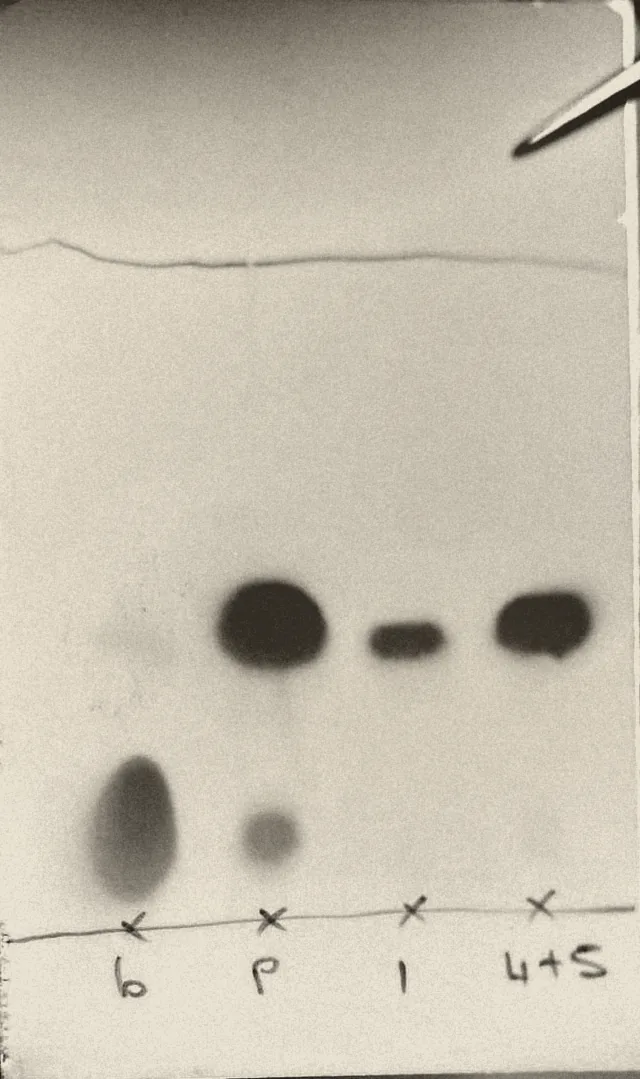
A thin-layer chromatography plate from the lab of talk 0001.1, in black and white: spots in four labelled lanes above a pencil baseline, the solvent front pencilled near the top
Fig. 03TLR0001.1TLC plate, from the lab, talk 0001.1From the speaker
01_

Listen

Two science talks from people working in research and in medicine, pitched at A-level.

02_

Question

Five to ten minutes of questions from the audience after every talk, so understanding is tested, not assumed.

03_

Write

In the student's own words. Some evenings include a Personal Statement talk on what makes writing stand out.

04_

Check

A written summary of every talk, with references, follows by email so what they write is accurate.

We never write the statement. The words are always the student's own.

03_The Lab ResultTLR0001

Origins

STEM Talks for A-Level Students

Thursday 10 December 2026Roberts Building, UCL

Getting the A*, biomedical engineering (cancer research) and medicine

A biomedical engineering talk on cancer research, a medicine talk and Dr Lavan Ganeshkumar on getting the A* in one evening, five to ten minutes of questions from the audience after each.

One Thursday evening a month in London, and a second evening in February and March 2027 (the 25th). The dates are below. The next dates are 21 Jan, 11 Feb, 25 Feb and on through the year: see every date.

The Talks

TLR0001

Getting the A*

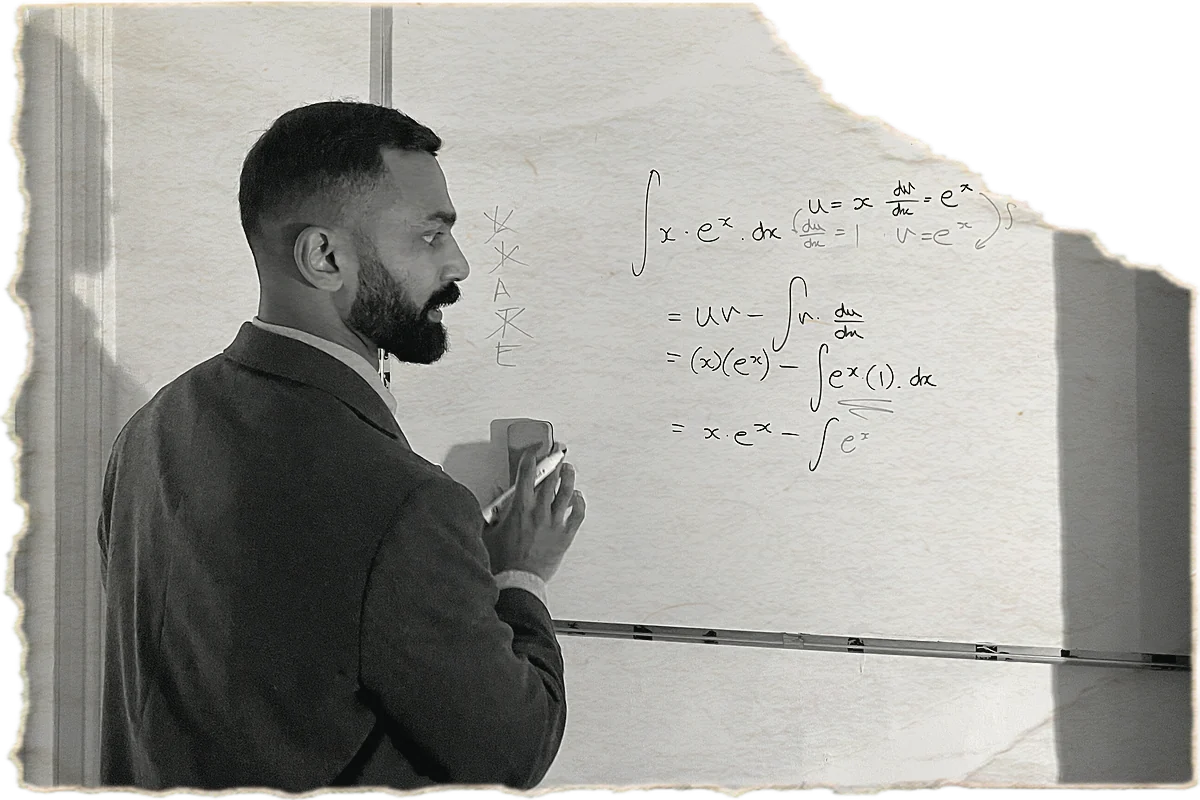
Black and white photograph of the speaker teaching at a whiteboard, an integration by parts worked on the board
Talk 01Teaching at the whiteboard. From the speaker

Talk 1: Let's Get That A*

Dr Lavan GaneshkumarUCL

Drawing on ten years of teaching A-level maths and science, Dr Lavan Ganeshkumar shows how he identifies why students lose marks and decides what they should practise next. Learn how to recognise your own gaps, use past papers properly and check whether your revision is working. Leave with a practical plan that connects the grade you want with what you do tomorrow.


Cancer research

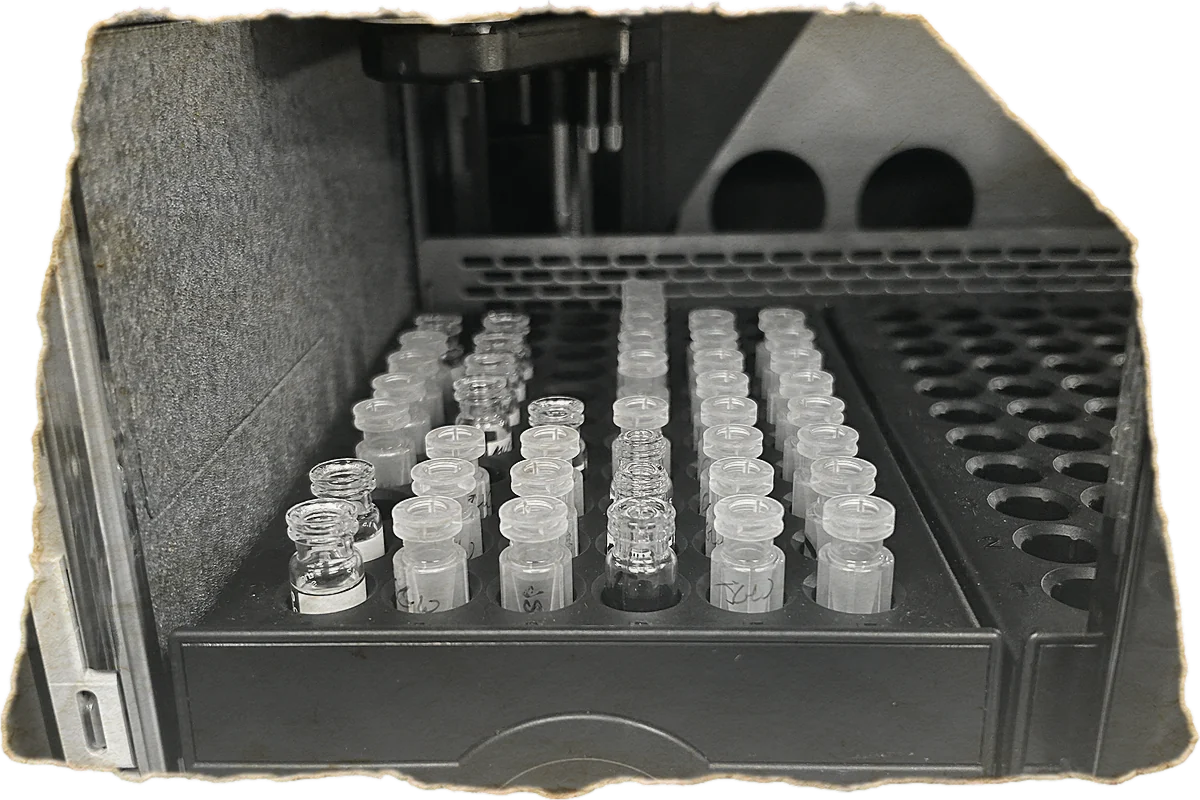
Black and white photograph of LCMS vials standing in a rack inside an instrument, from the speaker's lab
Talk 02LCMS vials, in the lab. From the speaker

Talk 2: No Fixed Formula: Finding My Way into Cancer Research

Jasmine SymonsKing's College London

How she came to biomedical engineering, the route from A-levels to a research lab, and what her cancer research involves. Aimed most at students heading for biomedical engineering, medicine and the life sciences.

Medicine

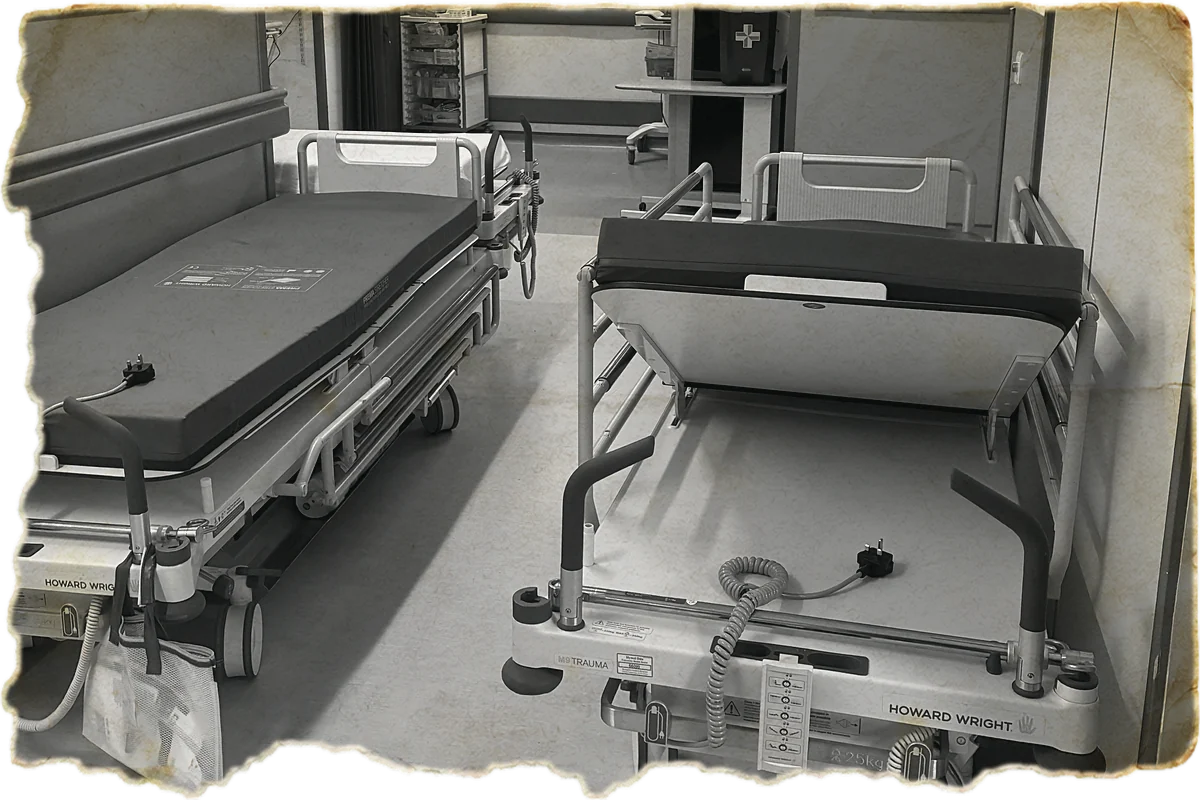
Black and white photograph of a hospital bay: two trolleys with mattresses, a curtain and equipment behind
Talk 03Two trolleys in a hospital bay. From the speaker

Talk 3: So, You Want To Be A Doctor (Maybe)

Dr Jesse NwachukwuUCL

Medicine by the graduate route: a chemistry degree at UCL first, then the GAMSAT into medical school. For students weighing a science degree first against applying for medicine straight from school.

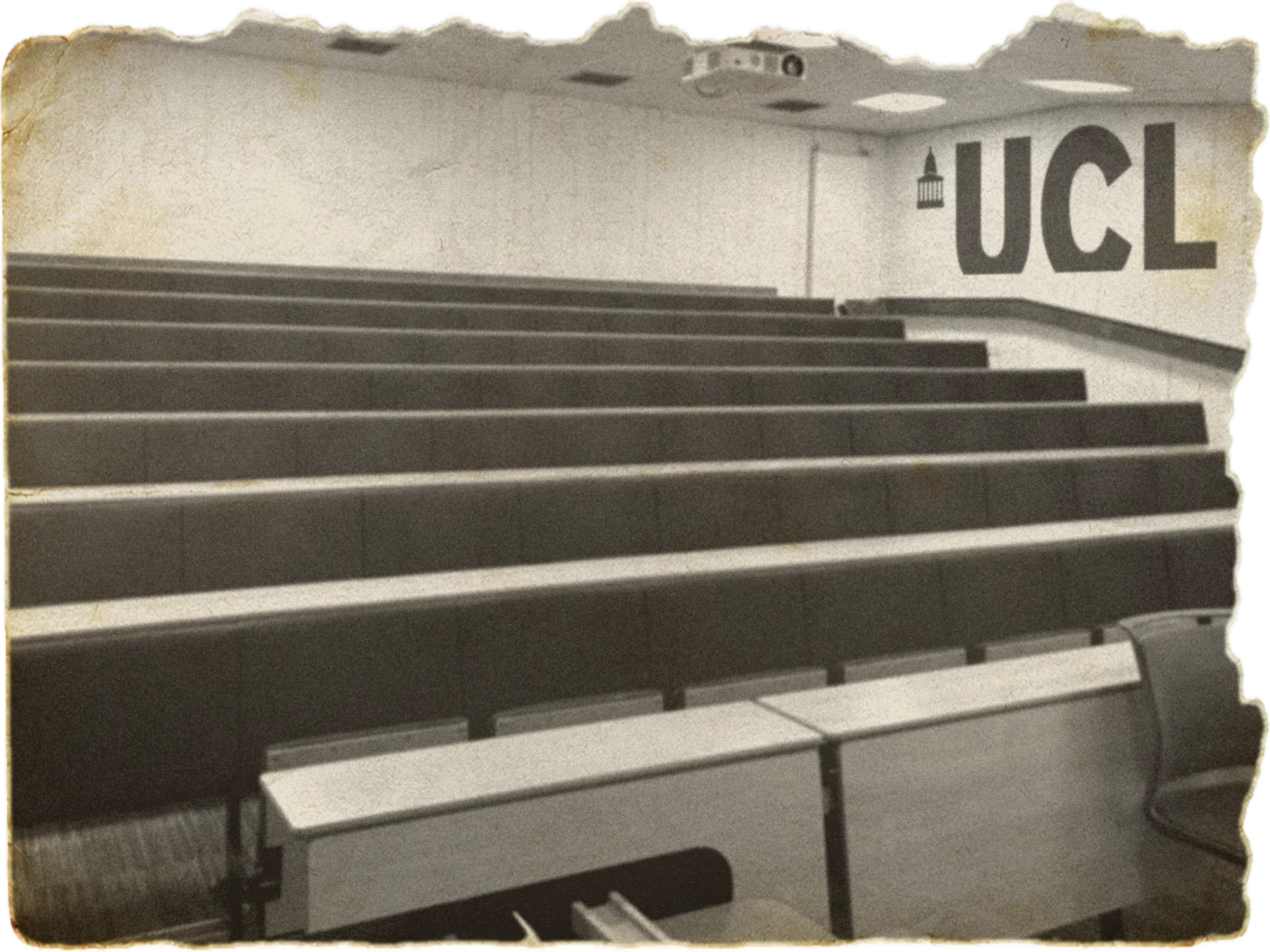
Room 421, Roberts Building, UCL, in black and white, the UCL logo set on its right-hand wall: raked rows of seats, each row with a long desk
Fig. 04TLR0001Room 421, Roberts Building, UCLUsed with UCL's permission
The room_

Room 421, Roberts Building, UCL

Doors 18:15Talks 18:30 to 20:30

Raked seats, each row with a desk.

Directions to the Roberts Building ↗